
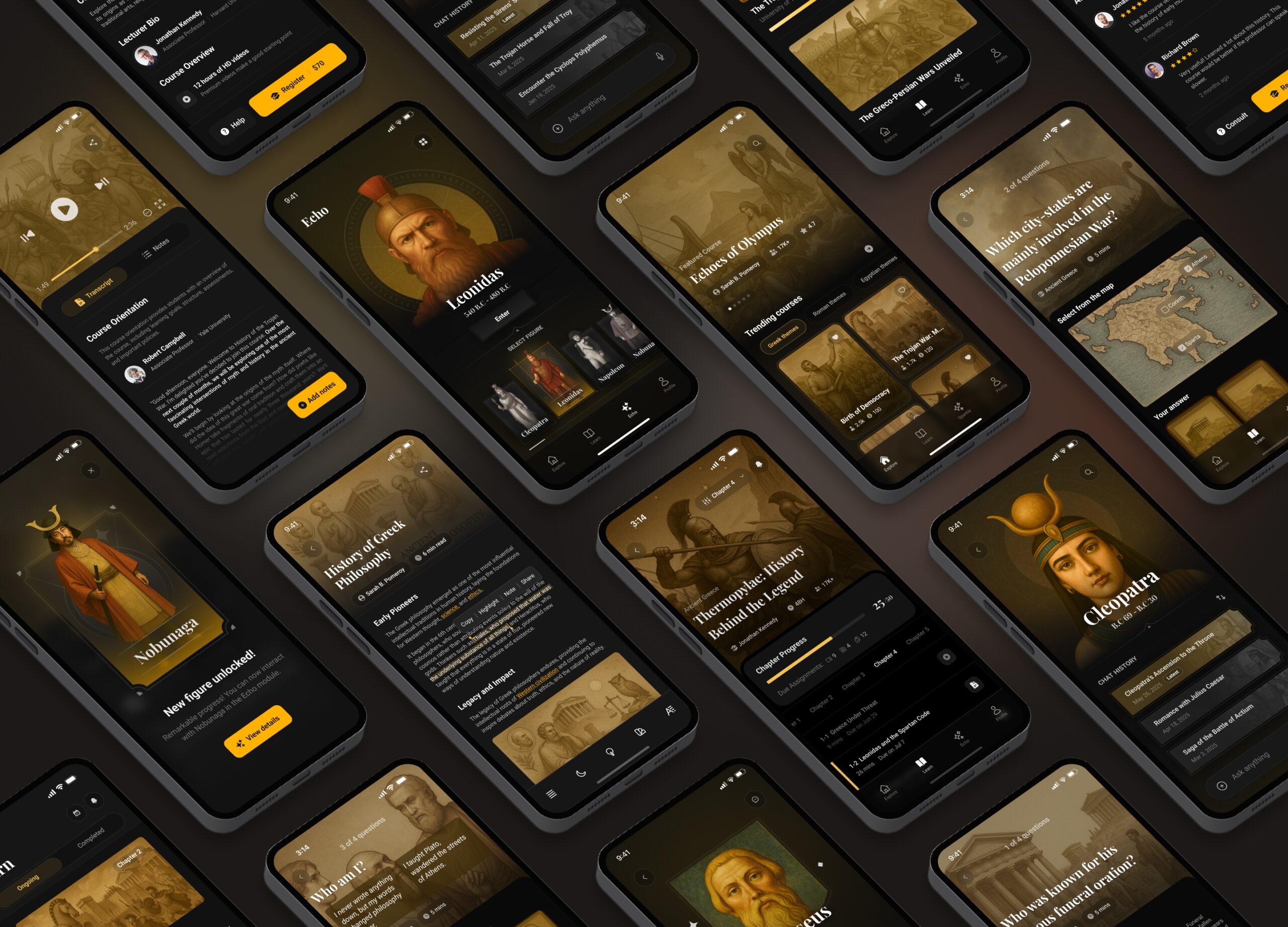

Historiq, developed by Historia Studio, is a gamified learning app that transforms history into an interactive and visual experience. By combining multimedia courses, AI-powered conversations with historical figures, and engaging quiz-based challenges, the platform redefines how users learn and connect with the past. Winner of Best of Best in Education Apps / UI & UX Design, the project turns traditional history education into an immersive journey of curiosity, storytelling, and exploration.
Below, Xi Pang, Product UX Designer at Historia Studio, discusses the project’s origin, the challenges his team overcame, and the creative journey that led to this high-profile award.
Award: C2A Best of Best, Apps / Education
Project: Historiq
Firm:Historia Studio, USA
Lead:Xi Pang, Jingyi Wang
Xi Pang: I am a Product UX Designer with extensive experience in delivering user-friendly web, mobile, and SaaS products. I’ve collaborated with global organizations such as IKEA, Microsoft, IBM, Bosch, and the United Nations, leading impactful projects across education, Web3, robotics, 3D design, and enterprise platforms. My work has received 28 international design awards and has been exhibited worldwide.
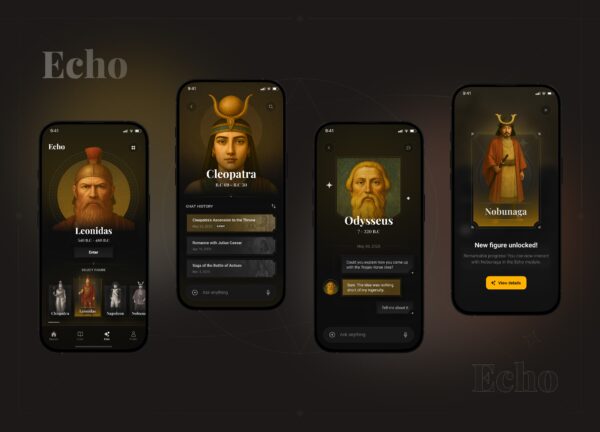
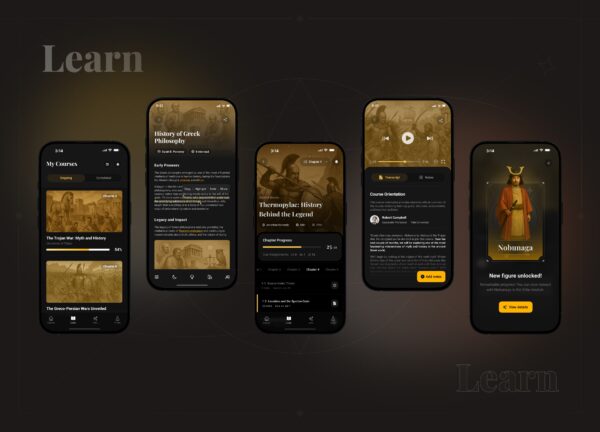
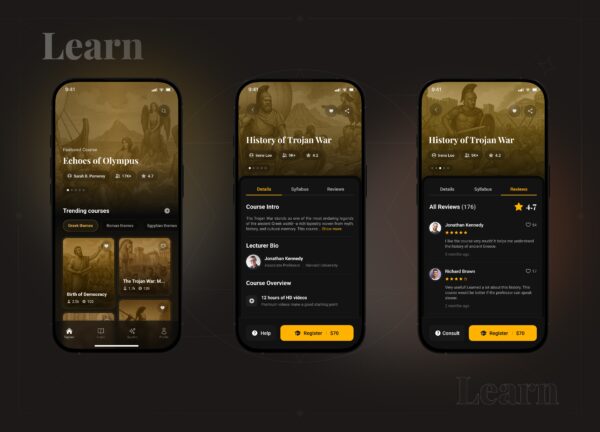
Xi Pang: Historiq is a gamified learning app designed to bring history to life through visual and interactive experiences. It features multimedia courses that combine videos, readings, and audio, while rewarding learners with illustrated historical figures. The Echo module enables AI-powered conversations with these figures, and the Quiz module reinforces knowledge through interactive, visually driven puzzles. The goal was to make history engaging, memorable, and accessible.
Xi Pang: History is widely taught, but traditional methods often make it feel dull. We wanted to transform learning into an engaging journey that sparks curiosity. The rapid advancement of large language models inspired us to integrate AI into the experience. This led to the Echo module, where users interact with lifelike historical figures through AI-driven conversations, turning static textbook content into dynamic storytelling.
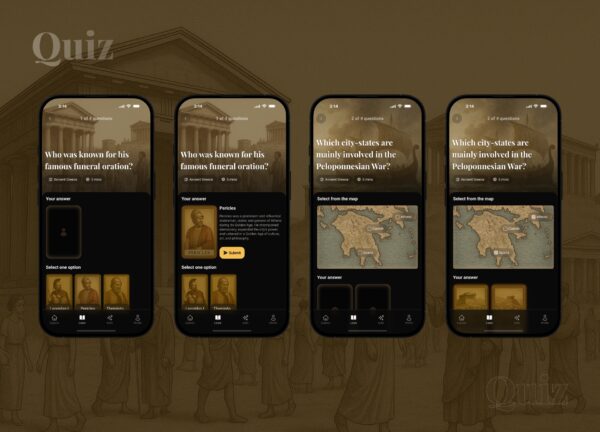
Xi Pang: Designing the Quiz module was a major challenge. Traditional quizzes are often repetitive and uninspiring. We researched historian-backed learning methods and transformed tools like timelines, maps, and flashcards into interactive puzzles. This made learning more visual, engaging, and effective.
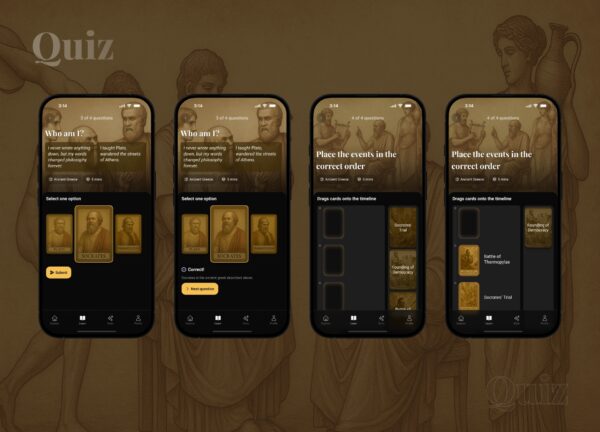
Xi Pang: The “Learn to Earn to Explore” model is the most distinctive aspect. Learners collect historical figure cards as they progress, which then become part of the learning ecosystem. This creates a continuous loop of engagement, curiosity, and exploration.
Xi Pang: We use a human-centered design approach. By surveying learners and analyzing their needs, we identified key pain points such as low engagement and retention. These insights shaped the entire design process, ensuring solutions were both innovative and user-focused.
Xi Pang: Generative AI is transforming the creative process. Tools like Midjourney and Figma Make accelerate prototyping and ideation. However, design value is shifting toward strategic thinking, problem framing, and decision-making. It also introduces new expectations for personalization, adaptability, and ethical design.
Xi Pang: I stay updated with industry trends, study strong design work, and continuously refine my process through feedback and experimentation. Curiosity and structured learning drive my growth.
Xi Pang: It’s a great honor and validation of our approach. It reinforces the importance of human-centered design and motivates me to continue creating impactful, meaningful experiences.
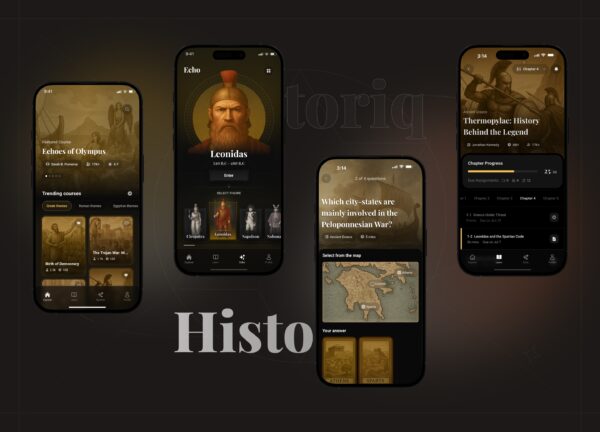
Historiq showcases how technology, storytelling, and thoughtful UX design can redefine education. By combining gamification, AI interaction, and visual learning, Historia Studio has created a platform that makes history both engaging and accessible. The project stands as a powerful example of how innovation in design can transform traditional subjects into immersive experiences for modern learners.